Saad Al-Khabaya in the collective heritage of the Arab East
This article was written originally in Arabic and is translated using a 3rd party automated service. ArabiaWeather is not responsible for any grammatical errors whatsoever.
Arab Weather - "Saad Al-Khabaya" (Al-Akhbiyeh): It is the last part of the four winter quintiles. It comes after "Saad Al-Suud" and begins on March 10 and ends on March 22. Its duration is (12.5) days, as winter ends astronomically on March 21 and spring begins.
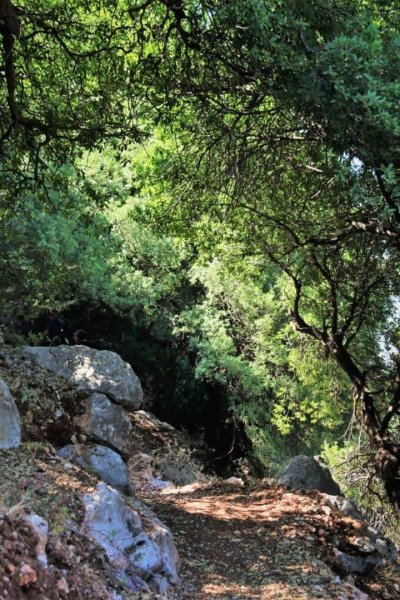
Features of Saad Al-Khabayya
Among the features of Saad Al-Khabayya: - The temperature begins to rise gradually, and the weather may become hot sometimes, so the “insects, snakes, and serpents” come out of their holes, ending their winter hibernation. Among the popular tales in the collective heritage of the Arab East are several popular sayings about “Saad Al-Khabayya”: -
- "When Saad rises, the buildings will be empty of people."
- ((In “Saad Al-Khabaya, the modesty is revealed, and the young girls are adorned”)).
- Hayaya is the plural of Hayya, which means snake.
This article was written originally in Arabic and is translated using a 3rd party automated service. ArabiaWeather is not responsible for any grammatical errors whatsoever.
Browse on the official website